Will Game of Thrones Lose Fans?

(Don’t read ahead if you are not up to date with the show. No spoilers for future episodes contained.)

I have heard numerous people this week cry out that they are only one character death away from never watching Game of Thrones again. This has caught my interest. I am one of those smug people who has read the books and likes to give people those all knowing grins whenever they cry outrage at a new twist. I kept reading the books after every setback, every shocking death. It actually only made me want more. 

However, I too was shocked at the end of the latest episode. I knew what was coming but I felt the same profound sense of loss that others felt. I can only tip my hat to the producers and applaud their ability to arouse such feelings in someone who knows what is going to happen. However knowing what is coming makes it easier for me to keep watching.

Those who are pulling their hair out at last weeks events and cursing to the old gods and the new have a right to be doing so. The show isn’t heart-breaking, it’s heart-shattering with a side of disintegration. But have they gone too far. How many more times can viewers be shocked before they throw in the towel and declare their constitutions can take no more? For many people I know they probably only have one more shock in them.

I am very interested to see what happens next season. Whether the producers can continue to keep the gigantic viewer base or whether people will slowly break off, nursing their wounds and saying to HBO, Not today! 

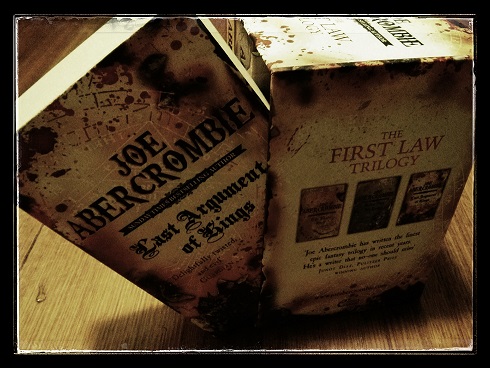
Review: The Last Argument of Kings by Joe Abercrombie

Imdff

You know you have read a top class book when it’s over and you feel depressed. I have post trilogy depression, amongst the worst kind of book related disorders. One where you have invested so much of your time and soul into a multi character epic that you tend to forget that in the morning you have a job to go to. Yet at the same time I feel like my eyes have been opened to a new world. Grimdark!

Prior to reading Abercrombie’s work I had never experienced such truly gritty and dark fantasy. I now know it is a genre of its own, but to be honest I look at it more as ‘Real Fantasy’. In a similar fashion to the mass market popularity of Game of Thrones, where other fantasy series have failed to grow, the First Law gives us everything we would expect from a well constructed fantasy universe, but also gives us characters that could have come from a history book. They don’t just have faults, they live and breathe by their faults. Reading Joe Abercrombie’s books has shown me how characters can be despicable and make you root for them at the same time.

Logan Ninefingers and Glokta are amongst the most interesting and unforgettable fictional characters I have ever come across. Ferro and Jezal made choices throughout the books that felt so real. Often one expects a book to go a certain direction, or a character to say or do a certain thing, especially in fantasy writing. Not for Abercrombie’s characters. As I turned the pages my inner voice was constantly saying no, no, don’t do that, don’t say that. However, this only kept me wanting more.

The Last Argument of Kings is a fine climax for the trilogy. I don’t want to spoil anything here, so I will only say that it was good to see things come together in the final battle. Abercrombie takes us into the head of the many POV characters. Using his amazing blend of vivid description and gritty language, we are taken right into the thick of it. I bled with the characters. Swore alongside them. I cringed and laughed with them. Few books draw you in so deeply. I felt I lived the First Law rather than read it. And that is the biggest compliment I can give Mr Abercrombie.

I feel there is little need for me to do an in depth review of this book. It is extremely well written. All of the characters that you love are back and in fine form. The story develops in an interesting way and does not repeat itself. There is action, emotion, suspense, drama and just about anything else you need in a good book. Just go out and read it.

I don’t often recommend books to my close friends but I will be telling every fantasy fan that I know to pick up these three books and get stuck into them.

Rating 5/5

Saturday Morning

There is no time like a Saturday morning for curling up with a good book and a cup of tea. To get you in the mood here are some of my favourite quotes on reading.

“We read to know we are not alone.”
– C.S. Lewis

“When I get a little money, I buy books. And if there is any left over, I buy food.”
– Desiderius Erasmus

“Children are made readers on the laps of their parents.”
– Emilie Buchwald

“Once you learn to read, you will be forever free.”
– Frederick Douglass

“Outside of a dog, a book is a man’s best friend. Inside of a dog, it’s too dark to read.”
– Groucho Marx

“Not all readers are leaders, but all leaders are readers.”
– Harry S. Truman

“A bookstore is one of the only pieces of evidence we have that people are still thinking.”
– Jerry Seinfield

“A classic is something that everybody wants to have read and nobody wants to read.”
– Mark Twain

“Always read something that will make you look good if you die in the middle of it.”
– P. J. O’Rourke

Enjoy your cup of tea this morning!


Review: On Writing by Stephen King

IMG_20140514_182203

Even if you aren’t a writer, I would say read this book. Part autobiography, part guide to writing, On Writing  had me nodding my head so many times, people on the train must have thought I was a bobble head. I will admit that I haven’t read a lot of his fiction. I am familiar with most of his stories through their TV, movie and comic adaptations. Yet I was fully engrossed for the whole book.

King’s early life is described in such a vivid way that I felt as though I was there with him. At other times I was sitting in a chair right beside him, listening to him talk on a lazy Sunday afternoon, recalling the days of his youth. I have a new found respect for the man whose life never seemed to be easy. I can appreciate how he is able to bring so much character and feeling into his own writing. That being said, it is obvious from his tips on writing that more than life experience has brought him success.

I will not go into the details of what he suggests every writer, new or established, do when practicing the skill. However the idea of having a toolbox from which to draw is one that I feel could translate to any art form. And that is why I would recommend the book to anyone who dabbles in some form of art. King provides not only advice on techniques, but a philosophy which inspires you to stop reading his book and get to it. Often I was torn between putting the book down and getting back to writing, or continuing to turn the engrossing pages.

The amazing thing, now that I look back on the book, is that I did not agree with all of his advice. Those who have read my blog before will know that I feel there are many different techniques and forms of writing. There is no absolute right or wrong, other than traditional grammar and structure, and therefore one shouldn’t feel as though you need to follow everyone’s rules. If you tried to you’d never get any actual writing done. You’ll find conflicting advice anywhere. However, despite my occasional disagreements, I found myself finishing the book and feeling invigorated. I felt like I have the power to turn on my computer and begin typing pure gold. For King to be able to do that whilst still have me questioning some of his advice, honestly amazes me.

One thing King mentions which I could not agree with enough is that without constant reading, particularly of authors who are considered masters, or books that are popular or acclaimed, one can never truly learn to become a better writer. To see examples of good writing, to absorb them properly, will do you more good than reading 100 guides on how to write. (Ironic really to make such a point in a book on writing advice.)

I don’t and will not hesitate to give ‘On Writing’ 5 stars. It strikes a fantastic balance between motivation, technique and biography. You don’t need to agree with everything he says, but you will feel like you have the capacity to achieve your goals once you have finished reading.

Rating: 5/5

Seeking out inspiration

florence

Each and every one of us seeks inspiration. It may be to paint a picture, write a story, or take a leap towards a new career. Whatever the reason we all require external stimuli to get the creative juices flowing, or preferably overflowing. There are so many options available to us. Let us take the internet as a brief example.

Healsville We live in an age where by reaching into our pockets we can press a few buttons, or even use voice commands, to access practically 99% of the world’s information. The height of physical exertion required to do so is reaching for your phone. There is no other word to describe it but astonishing.

Imagine going a thousand years into the past, pulling out an iPhone, and showing someone a live stream from the other side of the planet; or heaven forbid a Meme! Likely you would be burned at the stake, or at the very least put on trial for sorcery.

Sorcery Today we take it for granted. Don’t! The internet can be a treasure hoard of inspiration. Want to paint a picture of a toucan? Google it and you will get plenty of ideas. You’ll find help and pictures to allow you to achieve mastery of the toucan portrait. Want to write a story? There is literally no end to the advice you can find online. I mean that. Whilst you are reading advice, someone else is writing and posting more, so it never ends!

However there are times when you must look to other sources for inspiration. Recently I have found one in particular to be most effective for me. That is going places.

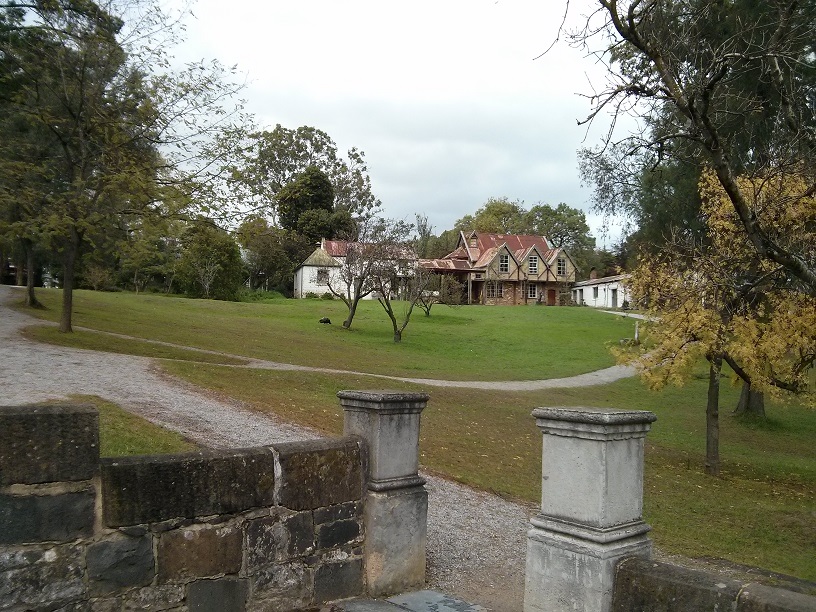
Montsalvat

Now these places don’t need to be far, in fact they can even be your backyard. Take a moment to step away from the TV, computer and iPad, and go for a walk. Hop into the car and drive to a local forest. Catch a bus to a museum. Go swimming in a lake, with or without clothes. Whatever you choose, make sure you take some pictures. Because it is easy to see something wonderful and fully appreciate it. It is a lot harder to remember it accurately when you are back at home seeking to draw on that inspiration.

Everybody has a phone on their camera now. When you see something which makes you stop and stare, take a quick picture. Collect all of these on your computer and over time build a library of inspiration.

Mitchell River Now this must come with a warning clause. Do not spend all of your time taking photos and not actually enjoying the scenery. That would be pointless. The photos are only there to act as a booster for when you get back home. You need to soak in the inspiration whilst you are actually there witnessing it.

Also take care not to get carried away with taking photos at the expense of the people you are with. It is fine to take a few quick snaps when walking through the old castle with your family. It is not acceptable to make them wait an hour whilst you catalogue every turret and stained-glass window.

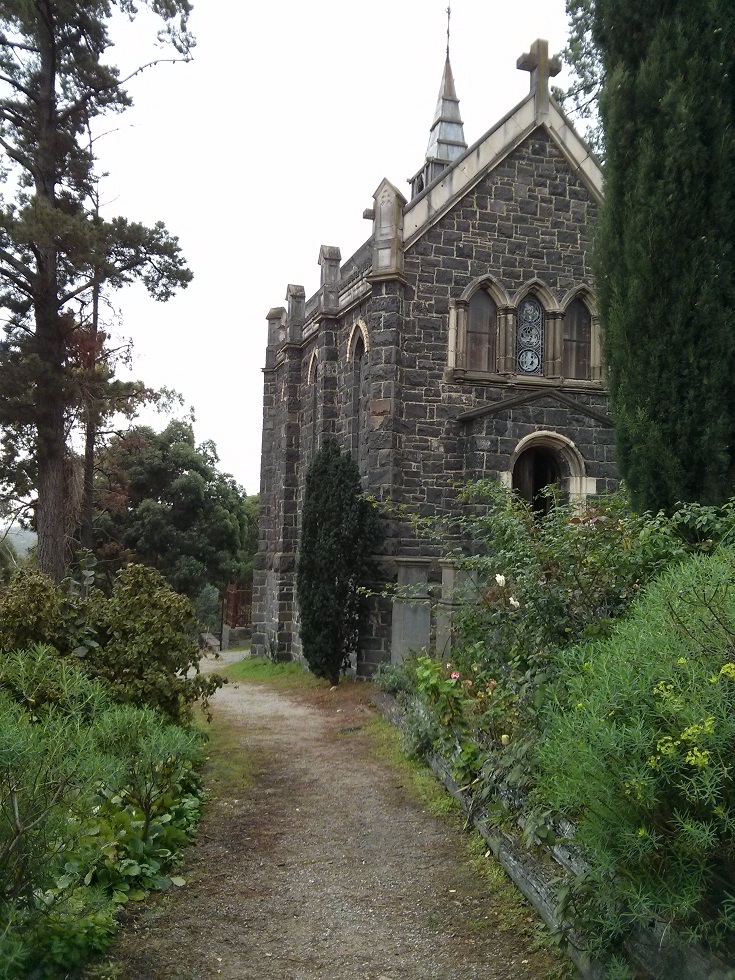
Montsalvat A friend of mine once looked through my photos from a trip to Europe and about halfway through asked me why I had so many pictures of doors, windows and random houses. I explained to them that I like to write and when I write, every once and a while, the picture in my imagination isn’t as clear as it could be. In those moments I open up my photos and have a quick scan. Quite often I will find a picture that sets the juices overflowing once more and I am able to get the words out just as I needed them.

rode gardens

This might not work for everyone. But at the very least you will be getting a good lung-full of fresh air. Something priceless for those of us with office jobs.

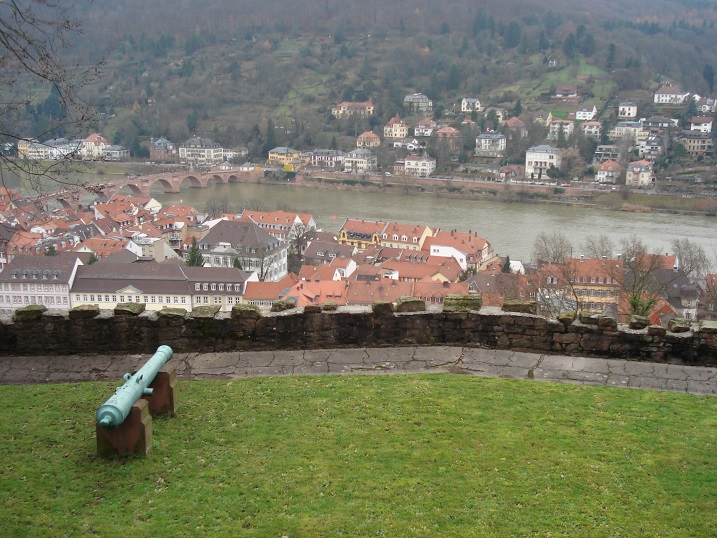
Here are two of my favourite snaps that I go back to, which remind me of where I have been, and jump start the imagination.

Heidelberg

Austria

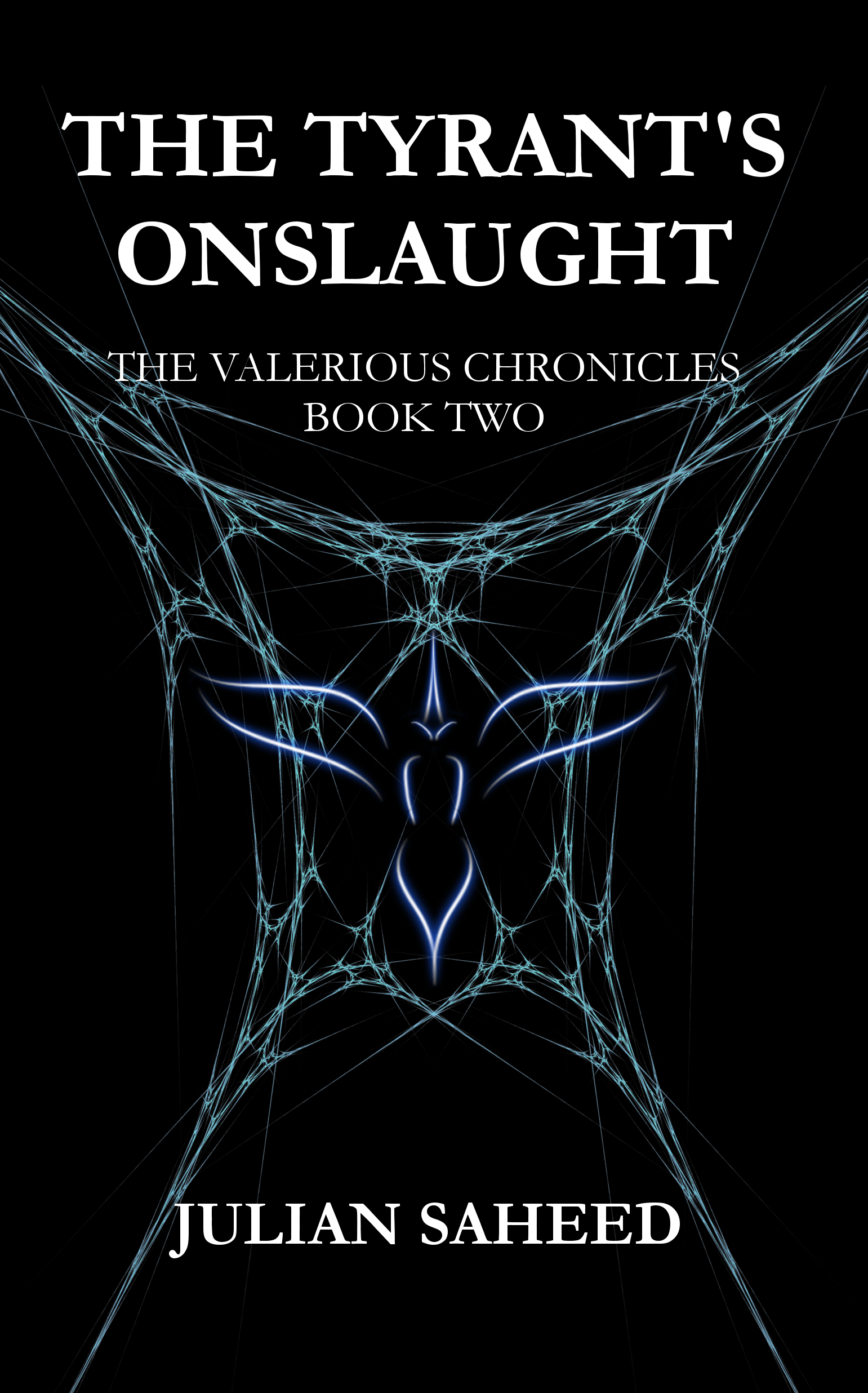
Update on The Tyrant’s Onslaught

TO Alternate cover 2

A few days ago The Tyrant’s Onslaught went out to my amazing Beta readers. It was at that point I realised it’s not long until Book 2 of the Valerious Chronicles will be ready for publishing.

I am now aiming to have it released at the end of July/early August and am looking forward to marketing the second volume.

Writing on Book 3 continues. I have hit about 20% complete so far and still aim to have the first draft finished by early 2015.

Until then sit tight, it won’t be long until Book 2 is up and ready for consumption.

20 quick tips for writers

Writers can never get enough tips and advice from their peers. In an effort to give back from my own experiences here is a list of 20 things I’ve learnt.

1)      If you don’t enjoy writing, stop and look for a new job/hobby.

2)      You will always look back and think that you can improve what you’ve already written.

3)      When selling books to strangers, Book covers are more important than your blurb and often more important than your story.

4)      Anyone who says ‘write everyday’ obviously hasn’t got a full time job and a family.

5)      That being said, write when you can, as often as you can. Even if it is only 200 words.

6)      Your back, neck, hands and arms will suffer. Maintain posture and take breaks!

7)      Don’t write what you think will sell, write what you WANT to write. Otherwise it will be rubbish.

8)      You are way more excited about your writing than your friends and family. Remember not to talk about it all the time.

9)      If someone is helping you with reading/editing make sure you really show them how much you appreciate it.

10)   There is nothing wrong with tropes and clichés as long as what you write is entertaining.

11)   Finishing a story is hard. Every time you do, pop a bottle of champagne to celebrate.

12)   Some people plan, some people write as it comes to them. Neither approach is wrong or right.

13)   Grammar is incredibly important. Don’t trust your spellchecker.

14)   Writing can be isolating. Make sure you step outside into the real world just as much as you step into your imagination.

15)   Reading for enjoyment is one of the most important tasks for someone who intends to write what others will enjoy.

16)   Set yourself small goals. My first goal was to get 1 single person I didn’t know to read my work. So far I’m doing alright!

17)   Even with a lot of hard work, it’s tough to make a living out of writing. But never give up.

18)   It is very easy for us to become overly critical. Be careful in how you judge the writing of others.

19)   Google really is your friend.

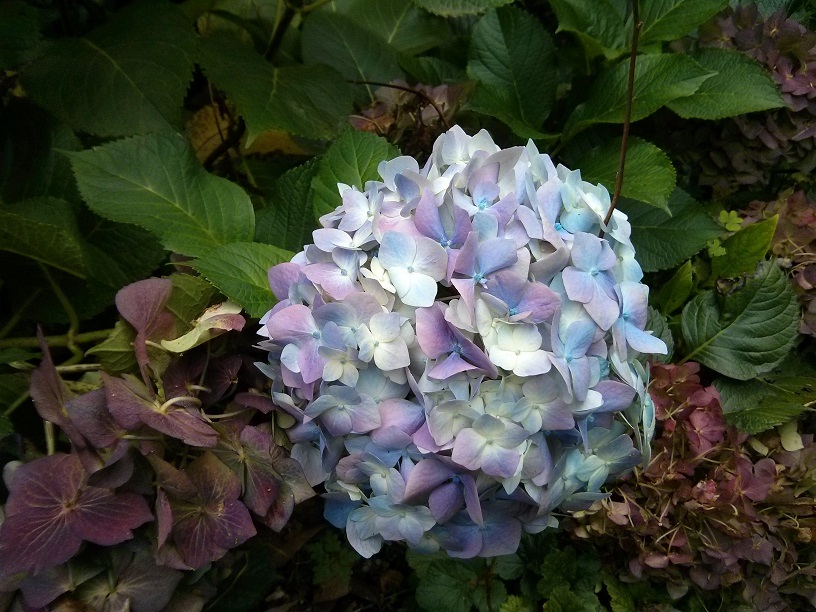
20)   Stop to smell the roses every once and a while. Then get back to the keyboard, you’ve got writing to do!

Remember the most important piece of advice, don’t take someone else’s opinions, tips or advice as gospel. Different things work for different people and different people have different tastes. Find your own happy spot and just don’t forget to never stop learning.

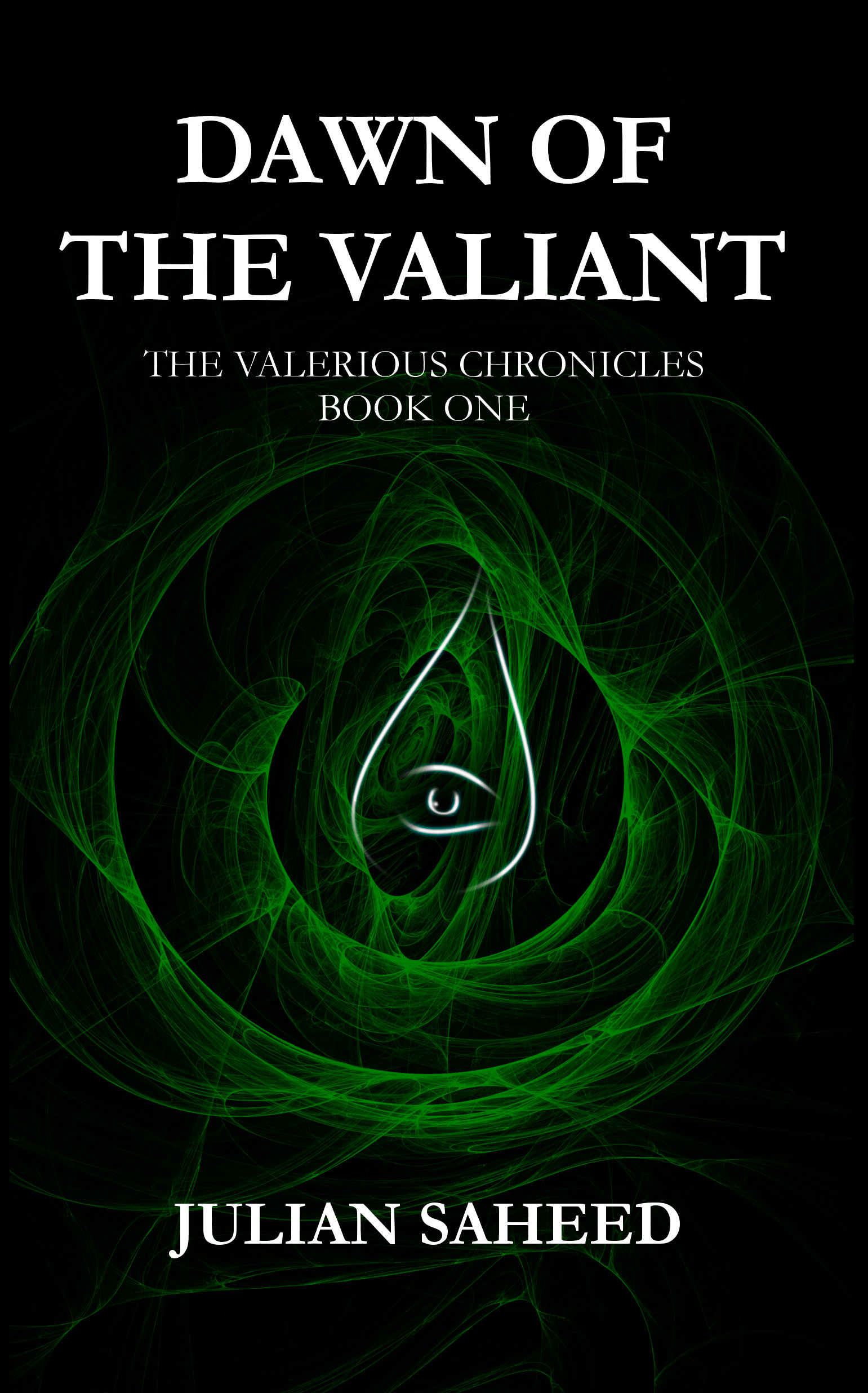
New cover for Dawn of the Valiant

In anticipation of the release of book two of the Valerious Chronicles, Dawn of the Valiant is now FREE on iTunes, Barnes and Noble, Kobo and Smashwords.

I have also been working on updated covers for the eBooks to provide a more thematic pattern throughout the trilogy. The updated cover for Dawn of the Valiant is now live. Enjoy!

DOTV Ebook Cover


4 Reasons Typos Matter In Your Published Novel

I completely agree with this. First hand experience has shown me the importance of a few more sets of eyes.

Victoria Grefer's avatarCreative Writing with the Crimson League

No, not really. Not with a typo. Still, though.... Keep an eye out for them! No, not really. Not with a typo. Still, though…. Keep an eye out for them!

The dreaded typo…. I think we authors sometimes have nightmares about them. They chase us, horrible monsters spouting terrible grammar.

Truth be told, I think we all understand that perfection is near unattainable, and that the best proofreader is going to miss a couple of things. Even with multiple people going through your novel, some typos will probably slip through, and that’s all right.

It’s not my goal here to wake your inner anxiety demons.

Readers are human too. They understand. As long as the typos are few and far between and not endemic and indicative of poor editing or sloppy writing, most people are going to overlook a spare, random typo or two.

Still, the fewer the better where typos are concerned. There is no contesting that. And while perfectionism to the point of…

View original post 535 more words

5 Self-Publishing Truths

It is commonly said that writing is a lonely task. We spend most of our time sitting behind the keyboard, fuelled by coffee and tea, grinding away at the metaphorical page. And all of this by our lonesome selves.

So what about once you have finished your book and it’s ready to go? God, this must be the best time, the time you get to present your spectacular piece of art to the outside world. It’s time for the world to bask in your magnificence – because your book is the best thing that’s ever been written – don’t deny it, you know it’s true. But hold on, now you need to get it published.

Editing, agents, publishers, manuscripts, more editing, rejections, no replies, more editing and then you realise nobody wants your book. You have two choices. 1) Throw it in the chest and start the next book or 2) Self publish.

I read a lot of articles on how to self-publish successfully. I don’t often read about what the reality is for the 99th percentile.

I chose to self-publish, because, hey, I worked my behind off writing this book, and I at least want to let people read it. Once I made the decision to self-publish a whole lot of truths became apparent. Let me share some of them with you.

Truth 1: You are starting a business.

As easy as it is to publish your own work in today’s world, you are setting up a business. And if you have never set up a business, it takes a lot of work. It also takes a lot of research and a lot of reading up on things that you have likely never thought about. Setting yourself up as a sole trader, tax, forms, phone calls, formatting your manuscript into a published novel or ebook, creating or commissioning a cover… the list goes on.

Yet, again, this is where you realise how alone you are. Sure you may spend a lot of time as I do reading other writers blogs and participating in online writing communities. They do help to make you feel less alone, but only so much. Because at the end of the day you still need to do the work, no one is going to publish your book for you – self-publish remember!

Setting up everything to allow yourself to publish takes a long, long time. Especially if you have a day job that isn’t writing. But don’t despair, it is all worth it and thankfully most of these tedious parts are one offs.

Truth 2: You have published your book. Nobody Cares!

No really, nobody cares. Ok that’s not entirely true. Most of your friends and family – assuming they aren’t all overachieving, highly successful millionaires – will be very impressed and provide you with kind words of encouragement. They may even buy your book! However the rest of the world doesn’t care.

Why is that? Because there are so many books out there to buy. Readers are swamped by an endless sea of tweets, facebook posts and ads that are showing them what to read. It’s oversaturation, and when faced with too many options, people go to what they know is good, what is already successful and what others are recommending. It is the only way of sorting through the, for lack of a better term, slush pile.

Truth 3: Publishing just isn’t enough.

They say that a self-published book on average sells 100 copies in its lifetime. Unless you market your book, you are not going to get sales. It sounds simple but it is true. And sadly the easiest methods are not often the best. You can post on twitter with constant links to your book under every hashtag that you can think of. You can spam your facebook friends until the cows come home. You can post on forums letting people know that your book is out. A lot of people will click on the link and have a look at your book. But how many will actually buy it. Sadly it is a very low number.

We can hardly blame people. You have to ask yourself, how many books have you bought after clicking on a link that a random person sent you? I can tell you that for me it is a total of 0. I have enough famous authors to read and it is a sobering fact that this is the case for the rest of the world. The percentage of people who will take a gamble on an unknown author is small.

So the task is to try and build a name for yourself. Join the discussion on forums and blogs. Don’t post about your book, just post about topics being discussed. Post something interesting and if you have your website in your signature, maybe they’ll have a look on their own accord.

Truth 4: Don’t publish too early.

I will admit for the first time here that I published my first novel, Dawn of the Valiant, far too early. I released it into the market eagerly and had not done enough editing. I thought I had, my eyes and fingers were telling me I had, but the truth was there were errors in my novel. A lot of them were simply grammatical mistakes, ones easily missed by a reader. Others were blaringly obvious and somehow overlooked by both my editor, beta readers and me. These can hurt your reputation. And often you only get one shot.

Thankfully the beauty of self-publishing is that continuous improvement is but a new upload away. I have now had a professional editor go over the book and, doing some extra editing of my own, sorted out 99% of the issues. Regardless, that should have been something I had sorted before my prospective readers picked up my work. You don’t want to be known as that guy who published a book, but left in all the typos. I look back at it as an important lesson.

Truth 5: Yes there are success stories. But they are the exception.

How often do you hear about 50 Shades of Grey or Wool or any other author who has successfully self-published? Hey don’t get me wrong, good on them, I myself hope to someday be mentioned beside them. The truth is you will probably publish a lot of unsuccessful books first, even if you are lucky enough to hit the big time.

There is some hope here though. Brandon Sanderson wrote 13 books before getting published. C.S Lewis received over 800 rejections. The trick of course is to keep writing. Eventually you’ll get it right. And if you don’t at least you can pass on a whole heap of books to your children.

 *  *  *

So there a few of my learnings, there are plenty more. Yet, despite all of these revelations I loved self-publishing. I will continue to do so until I manage to trick a traditional publisher into signing me. And if that day never comes, I will remain thankful that in this day and age it is possible and affordable for me to get my books out into the market by myself.